How to Find Inactive Computers and Users in Active Directory with PowerShell
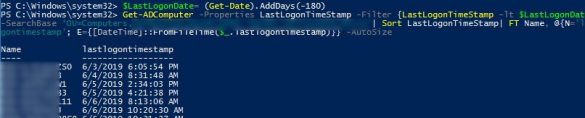
Quite an often task of an Active Directory administrator is to make a list of disabled or inactive user and/or computer accounts. You can use both saved LDAP queries in…
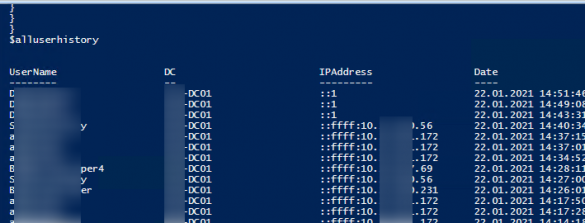
Active Directory provides several methods for determining when a user has logged on to the domain. The time of a user’s last successful authentication in Active Directory can be retrieved from…
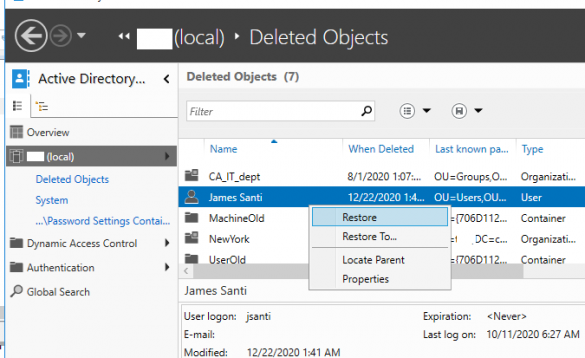
When you delete an object in Active Directory (user, group, computer, or OU), it is not permanently removed right away. Within 180 days, deleted AD objects can be recovered by…
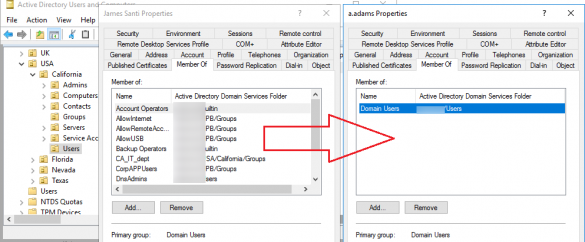
When you create a new user in an Active Directory domain, sometimes you need to make them a member of a large number of groups. It is quite tiresome to…
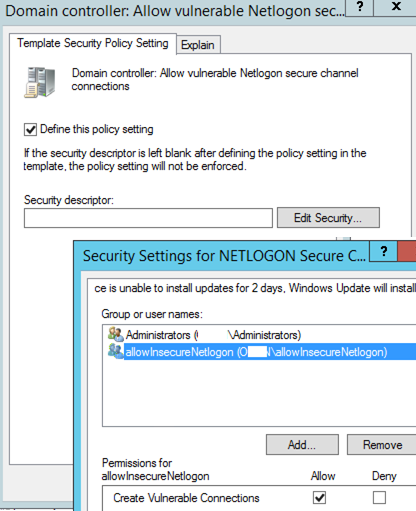
In August 2020, Microsoft released an update to fix a critical Windows Server vulnerability in Active Directory — CVE-2020-1472 (more known as Zerologon) . This update was successfully installed on…
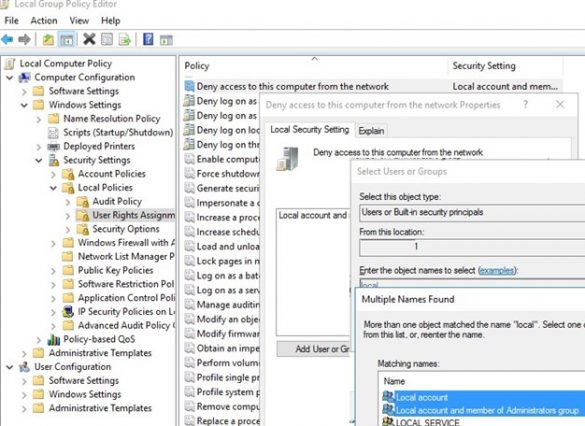
Using local accounts (including the local administrator) to access another computer over network in Active Directory environments is not recommended on a number of reasons. The same local administrator username…
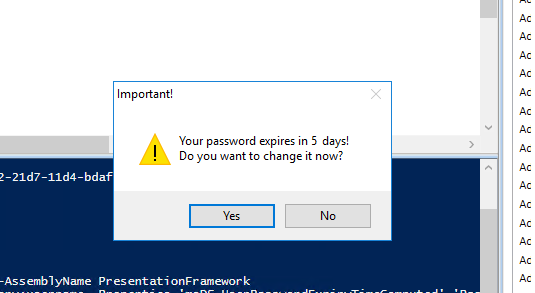
Although Microsoft has removed the requirement to periodically change user passwords from its security baselines, most on-premises Active Directory domains have a policy that specifies the maximum age of a…
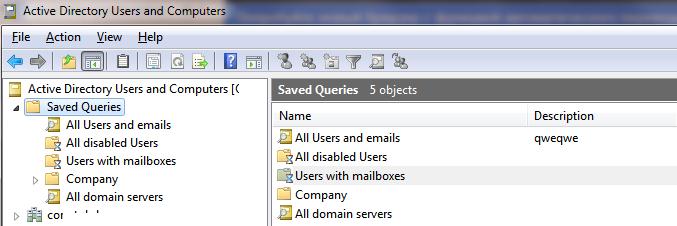
The Saved Queries in Active Directory Users and Computers (ADUC) MMC console allow you to create complex LDAP filters to select Active Directory objects. These queries can be saved, edited,…
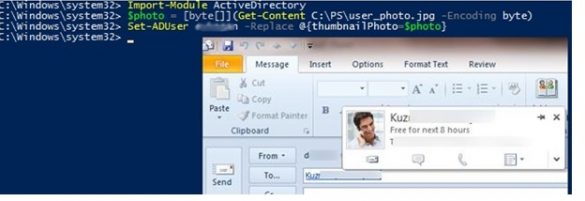
Active Directory user accounts have a special thumbnailPhoto attribute that can be used to store a user’s photo. These photos can be displayed as user avatars in apps such as…
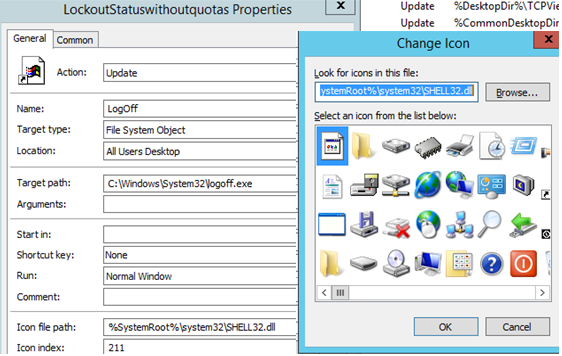
Using Group Policies, you can create a shortcut to a specific application and deploy it to the desktops of all users in the domain (or to specific users only). This…