Managing Hyper-V Virtual Machines with PowerShell
This article is about managing Hyper-V virtual machines from the PowerShell console. We’ll look at how to create virtual switches and virtual machines, change VM settings, and manage VMs. You…
In this article, we’ll look at how to backup websites, application pools, and IIS web server configuration on Windows Server. You can use an Internet Information Services backup to restore…
The Group Policy Central Store is located in the SYSVOL directory on the domain controllers, replicated between them, and used to store ADMX/ADML GPO template files used to manage Active…
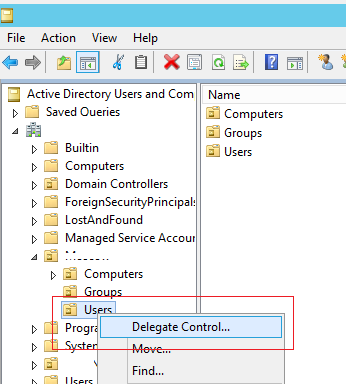
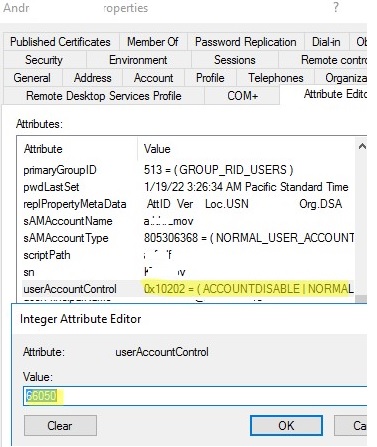
In this article, we’ll look at how to delegate administrative permissions in the Active Directory domain. Delegation allows you to grant the permissions to perform some AD management tasks to…
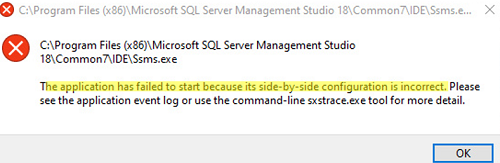
If you see the “The application has failed to start because its side-by-side configuration is incorrect” error when trying to start an app in Windows, this means that the program…
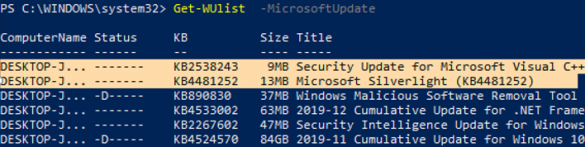
You can use the PSWindowsUpdate PowerShell module to manage Windows Updates from the command line. PSWindowsUpdate module is available for download from the PowerShell Gallery and allows administrators to scan,…
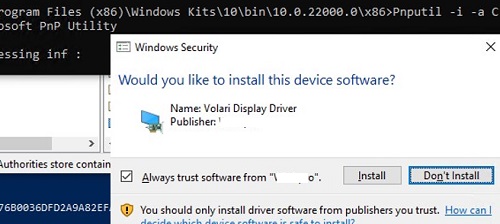
By default, all 64-bit Windows versions prevent the installation of device drivers that are not signed with a valid digital signature. Unsigned drivers are blocked by the operating system. A…
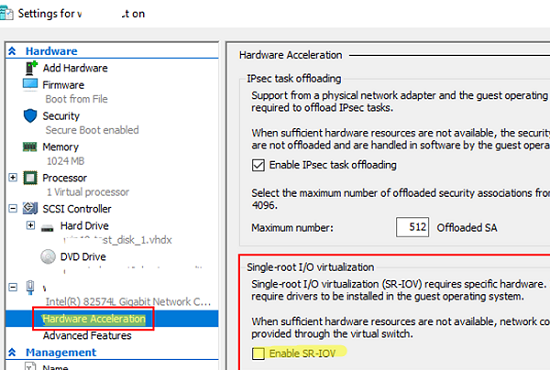
SR-IOV (Single Root Input/Output Virtualization) is a host hardware device virtualization technology that allows virtual machines to have direct access to host devices. It can virtualize different types of devices,…
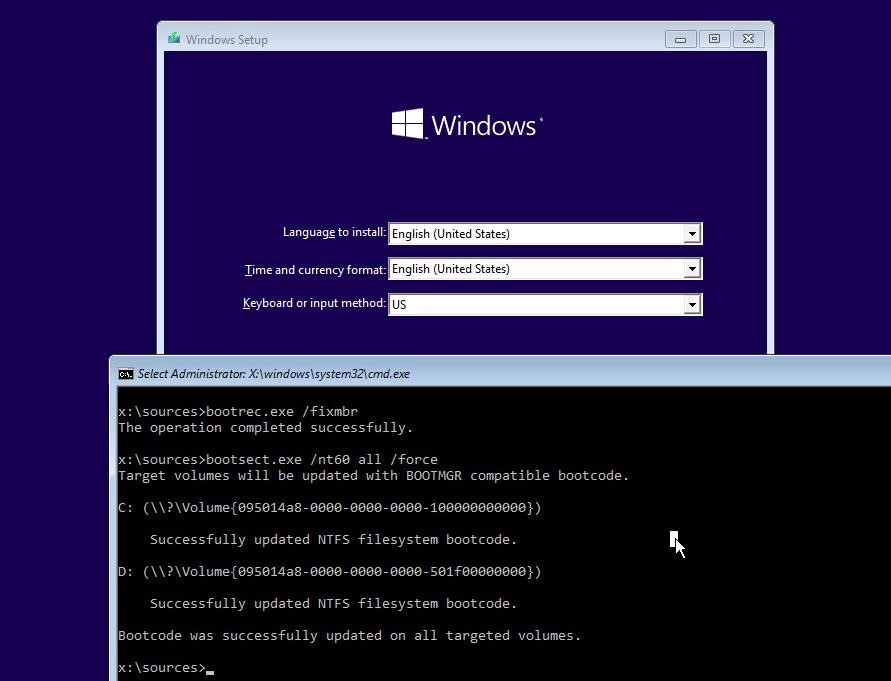
The Boot Manager in modern Windows versions uses the BCD (Boot Configuration Data) file to boot the operating system installed on the computer. This file contains information about the installed…
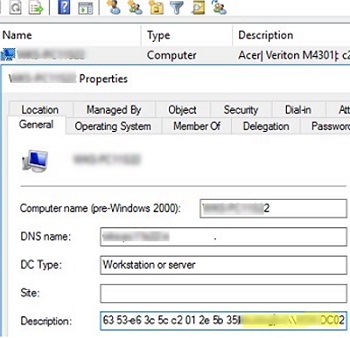
You can store various useful information in the description of computer objects in Active Directory. For example, information about the computer model, hardware inventory, or the last logged-on username. In…